Vape Culture: Examining the Emergence of Vaping in Contemporary Society
Vaping culture has become a significant trend among millennials and young adults, fueled by the pursuit of healthier choices and a wide range of flavor varieties. Social platforms magnify this phenomenon, presenting vaping as a socially acceptable choice. Nevertheless, the health-related consequences continue to be disputed, raising questions about safety. As vape retailers develop into neighborhood meeting points, the nature of this culture keeps evolving. What in-depth guide does the future hold for this expanding trend?
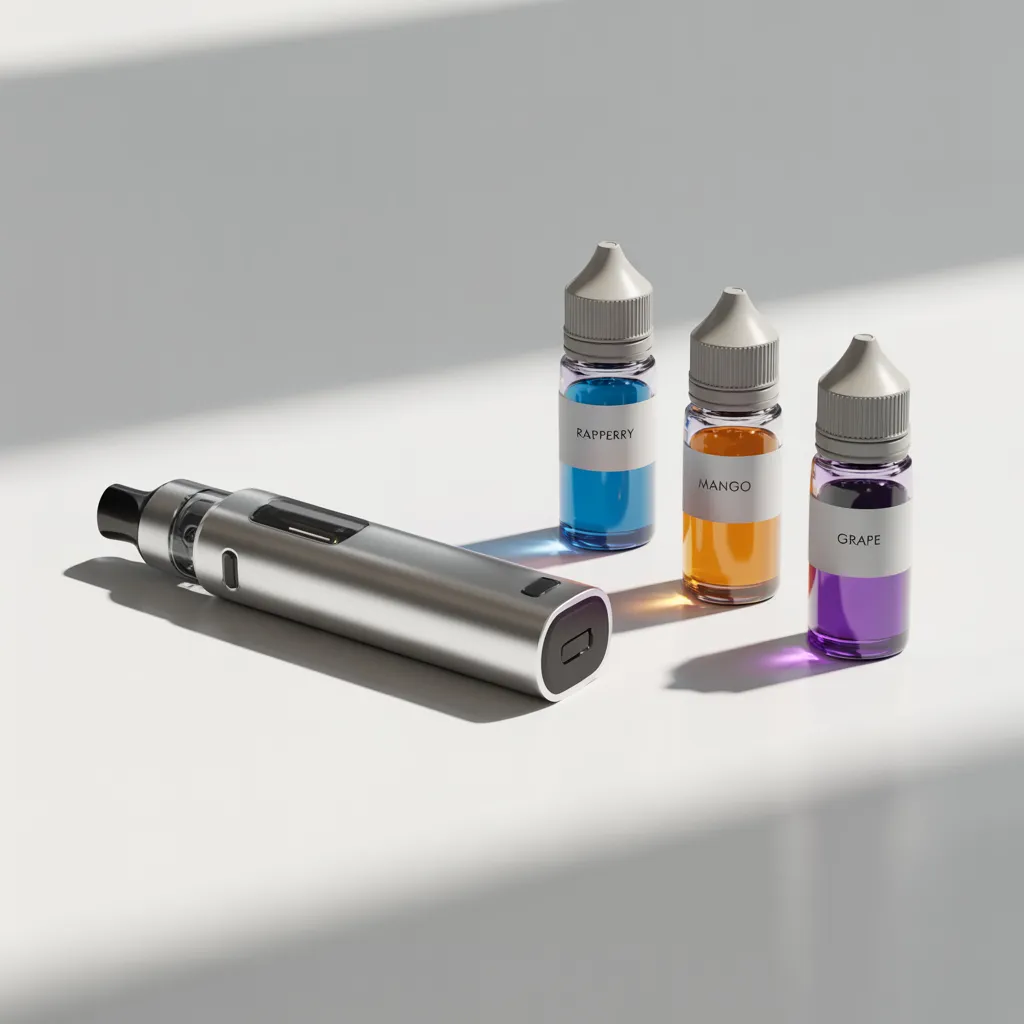
What Is Driving People to Switch to Vaping?
As knowledge of the health hazards connected to traditional cigarette use expands, many individuals are opting for vaping as a perceived safer alternative. This transition is fueled by several contributing elements, among them the allure of varied tastes and personalized settings that vaping devices deliver. Many users appreciate the varied flavors, which range from fruity to dessert-inspired, making the experience more enjoyable compared to conventional tobacco. Moreover, vaping is commonly perceived as a more socially embraced habit, particularly within younger populations. The advanced technology incorporated into vaping devices further provides a measure of control over nicotine use, drawing in those who wish to decrease their consumption over time. In addition, the belief that vaping is less disruptive and produces fewer lasting odors than cigarette smoking adds to its growing appeal. Consequently, a wide variety of people, ranging from ex-smokers to those newly introduced to nicotine, are progressively transitioning to vaping.
Is Vaping Actually Safe? The Wellness Debate?
How does vaping measure up against conventional smoking in terms of safety? This question has sparked considerable debate among health professionals and the public alike. While vaping is often marketed as a safer alternative to smoking, the reality is more complex. Electronic cigarettes generally have fewer harmful compounds than conventional cigarettes, which may potentially lower certain health hazards. Despite this, vaping remains a source of hazardous compounds entering the body, among them nicotine, which carries risks of addiction and potential cardiovascular concerns.
Emerging research has raised concerns about the prolonged consequences of inhaling aerosolized substances, particularly since several substances within e-liquids remain largely unexamined. Moreover, reports of lung damage linked to vaping have emerged, compounding the existing concerns about its safety. In the end, while vaping may be less harmful than conventional smoking, it is still associated with notable risks, demanding thoughtful evaluation from both users and policymakers.
Who Is Getting Into the Vaping Trend?
Who finds appeal in the vaping phenomenon? Vaping attracts a wide variety of people, spanning various age groups and backgrounds. Young adults, particularly those in their late teens to early twenties, commonly explore options beyond traditional tobacco products, seeing vaping as a trendy and modern personal choice. Many are motivated by the perception that vaping is less harmful while providing a personalized experience with diverse flavors and nicotine strengths.
Moreover, previous smokers moving toward vaping make up a notable demographic. They often view it as a way to lower nicotine intake while continuing to enjoy the inhalation experience. Curiosity also drives some individuals, as the social aspects of vaping attract those looking to connect with peers or explore new experiences. Vaping's widespread availability, along with its sense of novelty, consistently brings a diverse array of people into the vaping sphere.
How Social Media Has Shaped Vape Culture
How does social media influence vape culture? Social media channels have emerged as key drivers in popularizing and normalizing vaping across diverse audiences. By sharing visually compelling content, influencers present vaping as a lifestyle decision, frequently highlighting its visual appeal and communal dimensions. Vaping-related hashtags and online challenges foster a sense of belonging, motivating users to exchange their experiences and personal preferences. Additionally, platforms like Instagram and TikTok allow users to produce and disseminate tutorials, vape tricks, and product reviews, enhancing the visibility of vaping products and brands.
This constant interaction fosters an environment where vaping is not just a routine but a form of self-expression. The widespread reach of social media amplifies trends, leading to swift changes in consumer preferences. Therefore, social media functions as a double-edged sword, both promoting awareness of vaping and potentially glamorizing the habit, particularly among a younger generation.
How Vaping Impacts Lifestyle Decisions
Vaping has emerged as a major influence on modern lifestyle decisions, affecting everything from everyday social encounters to individual identity. For a great number of people, vaping acts as a social catalyst, enabling connections across both relaxed and professional environments. The practice of vaping frequently generates a collective experience for participants, strengthening community ties and setting standards for social events.
Moreover, vaping has reimagined personal identity for some people, differentiating them from traditional smokers or non-smokers. The variety of flavors, devices, and brands allows individuals to showcase their personal preferences, contributing to a sense of uniqueness.
Furthermore, wellness perspectives surrounding vaping have triggered behavioral changes; many individuals consider it a safer alternative to smoking, while some incorporate it within health and fitness conversations. When all is considered, vaping influences behaviors connected to socializing, self-expression, and health, demonstrating its deep influence over today's lifestyle choices.
Vape Retailers: Community Spaces for Enthusiasts
In the evolving landscape of vaping culture, vape shops are now recognized as important social centers for vaping enthusiasts. Such venues function as meeting spots where individuals can come together around their common enthusiasm for vaping. Beyond merely selling products, vape shops frequently organize special events, such as product tastings and educational workshops, cultivating a sense of community among customers.
The well-informed staff regularly offer helpful guidance into the latest devices and e-liquids, elevating the complete vaping experience. This tailored service fosters trust and loyalty among the community. Moreover, vape shops commonly cultivate friendly environments, encouraging social interactions among customers, which often results in strong friendships and supportive networks.
As the vaping trend continues to grow, these shops serve a vital role in cultivating a culture focused on discovery and learning. By prioritizing community engagement, vape shops not only enhance personal experiences but also assist in creating a thriving, interconnected vaping community.
The Future of Vape Culture
How might vape culture develop as technological advancements and societal views continue to shift? As advancements in vaping technology continue, innovations including smart devices and tailored options will likely draw in a larger consumer base. Improved user interfaces and application integrations could enable customized experiences, giving consumers the ability to monitor their usage and flavor choices. Additionally, the growing emphasis on health and wellness could reshape perceptions, leading to more acceptance of vaping as a less harmful alternative to smoking.
Regulatory changes will also play a critical role as legislators adopt more rigorous standards, producers could prioritize openness and excellence, fostering a more responsible industry. Societal views are likely to change further, with vaping merging more deeply into contemporary lifestyle, akin to the rise of boutique beverages or gourmet coffee. Ultimately, the future of vape culture will be marked by a fusion of innovative technology, policy supervision, and changing community attitudes, shaping a distinct identity within contemporary society.
Frequently Asked Questions
What Flavors Are Most Popular Among Vapers Today?
Fruity flavors, particularly berry, mango, and watermelon, lead the vaping market at present. Indulgent dessert flavors, such as vanilla custard and rich chocolate, also remain highly popular, appealing to those seeking sweet and indulgent experiences in their vaping choices.
How Much Do You Usually Spend on Vaping Each Month?
Monthly vaping costs typically range from $30 to $100, varying with consumption patterns, device selection, and e-liquid options. Frequent vapers might notice significant cost variations depending on individual habits and usage levels.
What Are the Age Requirements for Buying Vape Products?
Indeed, there are age restrictions when it comes to purchasing vape products. In many regions, individuals must be at least 18 or 21 years old, depending on local laws, to legally buy vaping devices and associated products.
Can Vaping Help People Quit Smoking Entirely?
Vaping might support some users in completely giving up smoking by offering a safer substitute. However, its results differ from person to person, and continued use of vaping can sustain nicotine reliance in certain individuals.
What Are Common Misconceptions About Vaping?
Frequent misconceptions surrounding vaping include beliefs that it is completely safe, that it lacks any harmful ingredients, and that it is solely a gateway to smoking. These false beliefs have the potential to affect views and habits concerning vaping.